We Do: Intervju med festivalsjef
After seven years of explorations, collaborations, and artistic experiments, We Do is entering a new chapter. With the theme “Turning Point,” the festival reflects on changes, in art, in community, and in itself.
21.10.2025
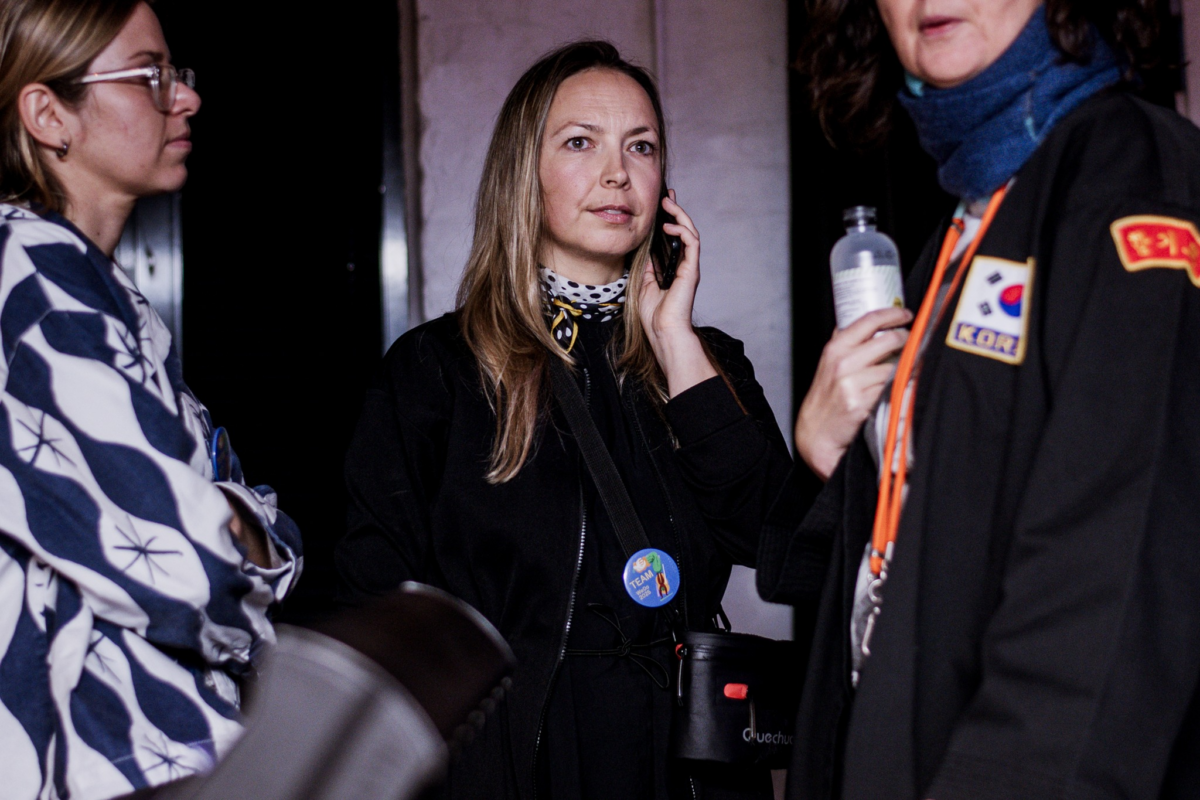
Powered by the energy of friends
When We Do saw the light of day in 2019, it was driven by pure enthusiasm and the belief that something new could grow at the intersection of Polish and Norwegian culture.
“We had to learn everything from scratch, how to build a festival in a new country, brick by brick, story by story,” says festival founder Zaneta Kruszelnicka.
The first few years were carried by the energy and volunteer spirit of friends.
"Without them, we would never have taken the first step. Gradually, new people joined, and like a river finding new paths, the festival has constantly changed direction.
The festival is described as a living ecosystem, in constant motion, influenced by the people who participate, the artists who share, and the city that hosts it all.
"We learn every year, listen to the audience, and ask ourselves: What does our community need right now?
The number seven and the power of change
As the festival now marks its seventh edition, the number carries symbolic weight.
“Seven is the rhythm of transformation. Seven days of creation, seven chakras, seven notes in the scale. It is the point where old perspectives crack and new paths open up,” she says.
For We Do, this year is a kairos moment, an intersection between the past and the future, where time is experienced intensely, almost sacredly.
"It's as if something has been hanging in the air for a long time and is finally being given a name. We are at a turning point.
An encounter with death and life
This year's theme, “Turning Point,” is not just a concept, but an existential question. What happens when everything we know changes? When we lose something, but also find something new?
“We wanted to create a program that reflects what we are all going through – both as individuals and as a society,” she says.
One of this year's most compelling projects is “Workshops on Dying,” inspired by Japanese death journeys (Shi no taiken ryokō). Here, participants get to explore the uncomfortable, fear, loss, silence, in a safe space.
In “What Can Be Seen and What Cannot Be Seen,” artist Paweł Kula invited participants to a five-day experiment with light and nature, where they created images without a camera, cyanotypes, lumen prints, and optical toys.
“It’s about seeing anew, discovering the layers of reality,” she explains, continuing.
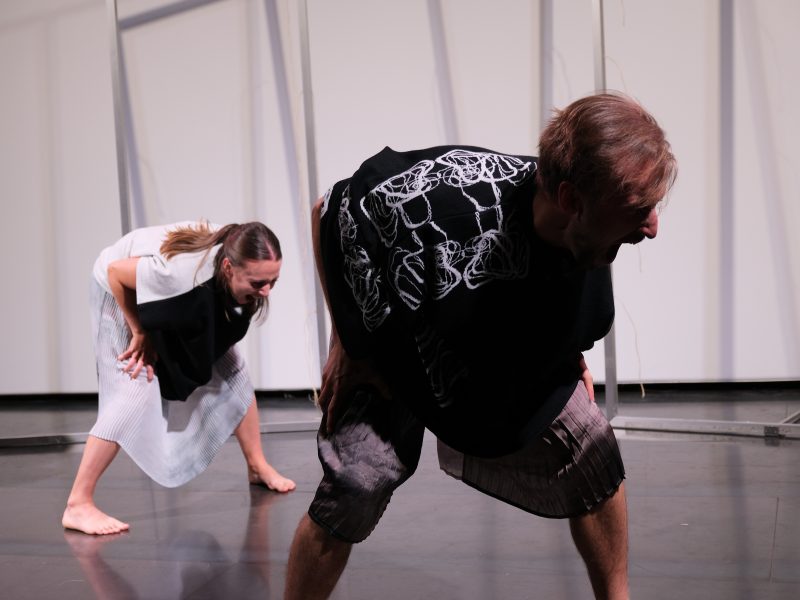
“Diving into Consciousness” delves into presence and physicality through dance, somatic practices, and meditation, a space for listening, feeling, and calming down.
Everything culminates in the closing party, where the band Slavs leads the audience into Slavic mythology and rhythm, six musicians, live instruments, and powerful vocals that invite dancing and liberation.
Between roots and experimentation
We Do has always balanced between the Polish and the international, tradition and experimentation.
"The program weaves together threads that arise naturally, in collaboration and play. One example is the collaboration between Oda Nomy and Góral, completely spontaneous, without a script, without pretensions. For us, it's about a living and diverse Polishness. Roots and rawness side by side with curiosity about the new.
She continues:
“We don't want to teach, but to invite. We don't say ‘this is great Polish culture, respect it’, but rather: ‘come, experience it, maybe it will inspire you, maybe you'll just have a good time’,” says the founder with a smile.
The festival does not seek to explain, but to experience, to create space for participation, community, and artistic play.
“Year after year, we notice how the atmosphere and the program are really beginning to take root in the city's consciousness. We are becoming part of Oslo's pulse.”
A turning point – also for the festival
When We Do reflects on the theme of Turning Point, it applies not only to the art, but to the festival itself.
"We are in a phase where we have to ask: what works, what doesn't, and what does the audience want now? Each edition has been a response to what is happening around us. But this year, we are looking inward and trying to find a direction with more awareness. The change is already underway, now it's about finding the right course. After several years under the wing of TrAP, We Do is now standing on its own two feet.
“The years of support from Brynjar and Trap taught us how to navigate the Norwegian cultural landscape. Now it feels like growing up, more responsibility, our own direction, our own home,” she says.
Independence gives the festival the freedom to grow further, but also a need to define who it really is.
"We always have Brynjar's support behind us, but now we are sailing under our own steam."
If We Do were a person, it would be someone who seeks with an open heart, a sense of the unpredictable, and the courage to face their own shadows. Someone who dances, thinks, and dares to stop."
It values authenticity, curiosity, and the process over the result. Because the most beautiful moments cannot be planned, they happen along the way.
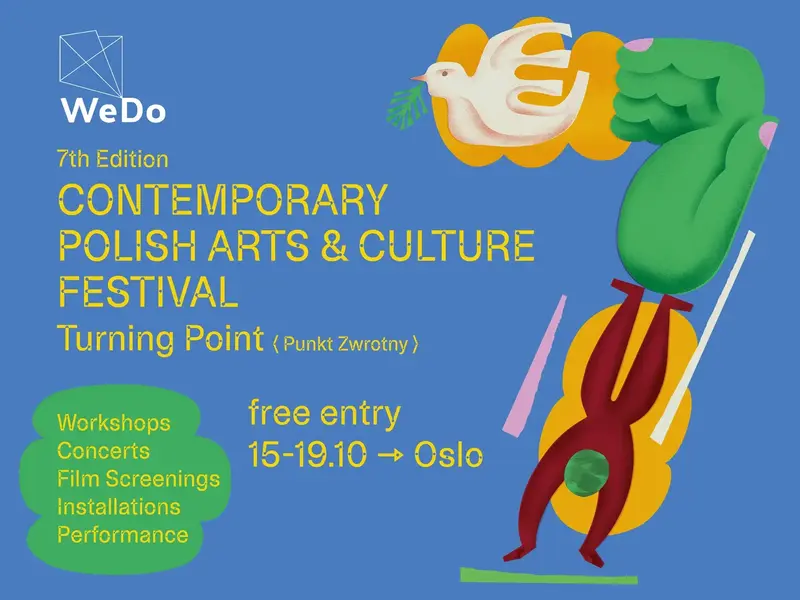
We Do Festival 2025 was held in Oslo from October 15 to 19 this year. The festival brought together artists, dancers, filmmakers, and audiences in a space where tradition meets experimentation and community becomes art. In its seventh year, the festival entered a new phase, an invitation to change, both for itself and for all of us.
2025
Festival
We Do-festivalen 2025: Turning Point
We Do – Norges første polske festival